
Car Audio System Upgrades You Can Do in 2026
By Ryan Bedewyi | February 27, 2026
The landscape of car audio systems has evolved dramatically, with cutting-edge technology making it easier than ever to enhance your in-car entertainment experience. In this guide, we explore various upgrades you can perform in 2026 to transform your vehicle into a mobile sound sanctuary. Whether you are an audiophile seeking exceptional sound quality or a casual listener who values consistent performance, understanding modern system components is essential. Upgrading your audio setup can significantly improve clarity, depth, and balance across music genres while also enhancing daily commutes and long drives. With proper planning, compatible equipment, and thoughtful installation, your vehicle can become an extension of your musical preferences and listening habits. According to IBISWorld, the market size of the audio & video equipment manufacturing industry in the United States is $5.4bn in 2025, reflecting continued innovation and demand for advanced audio technologies.
Head Unit Selection
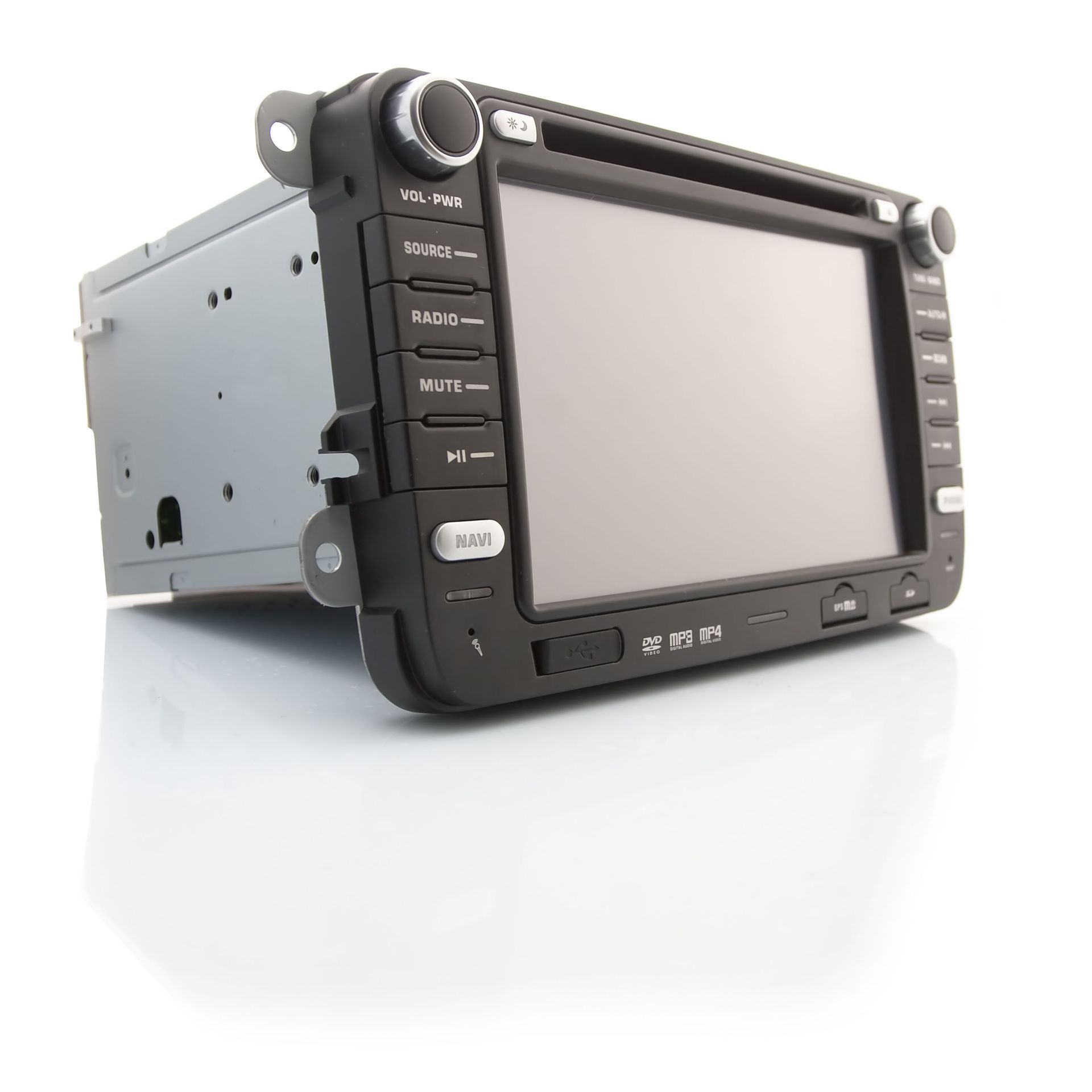
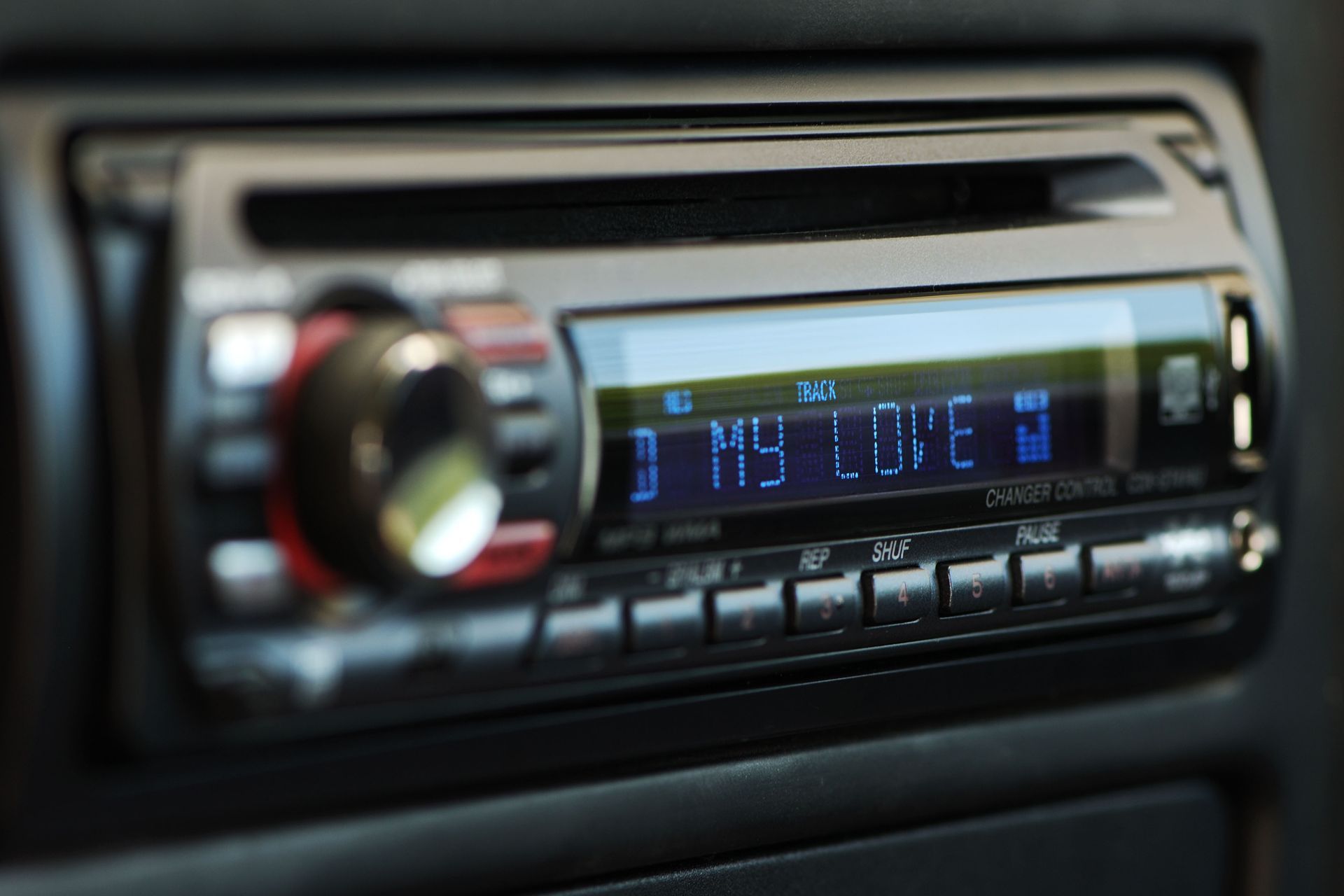
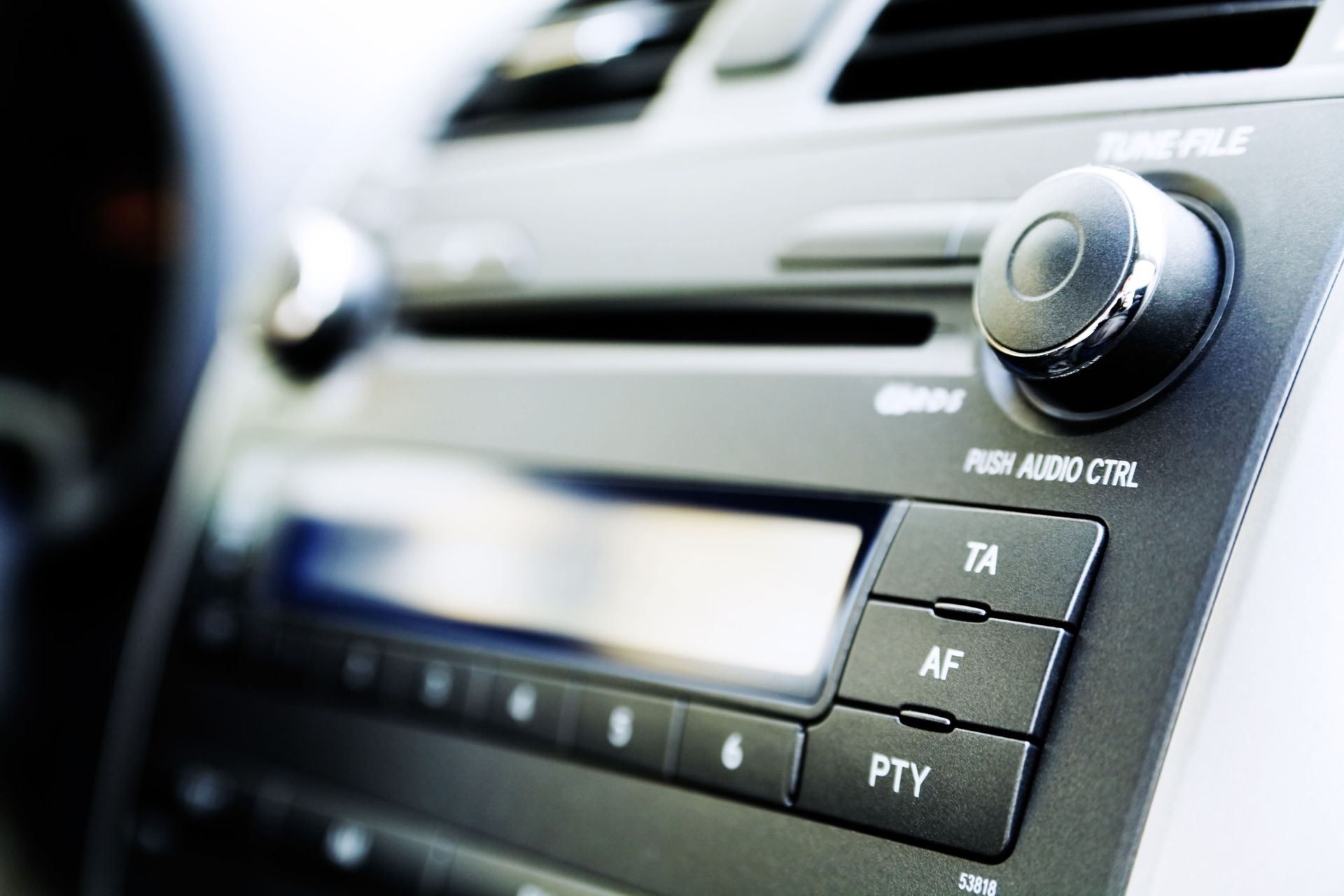
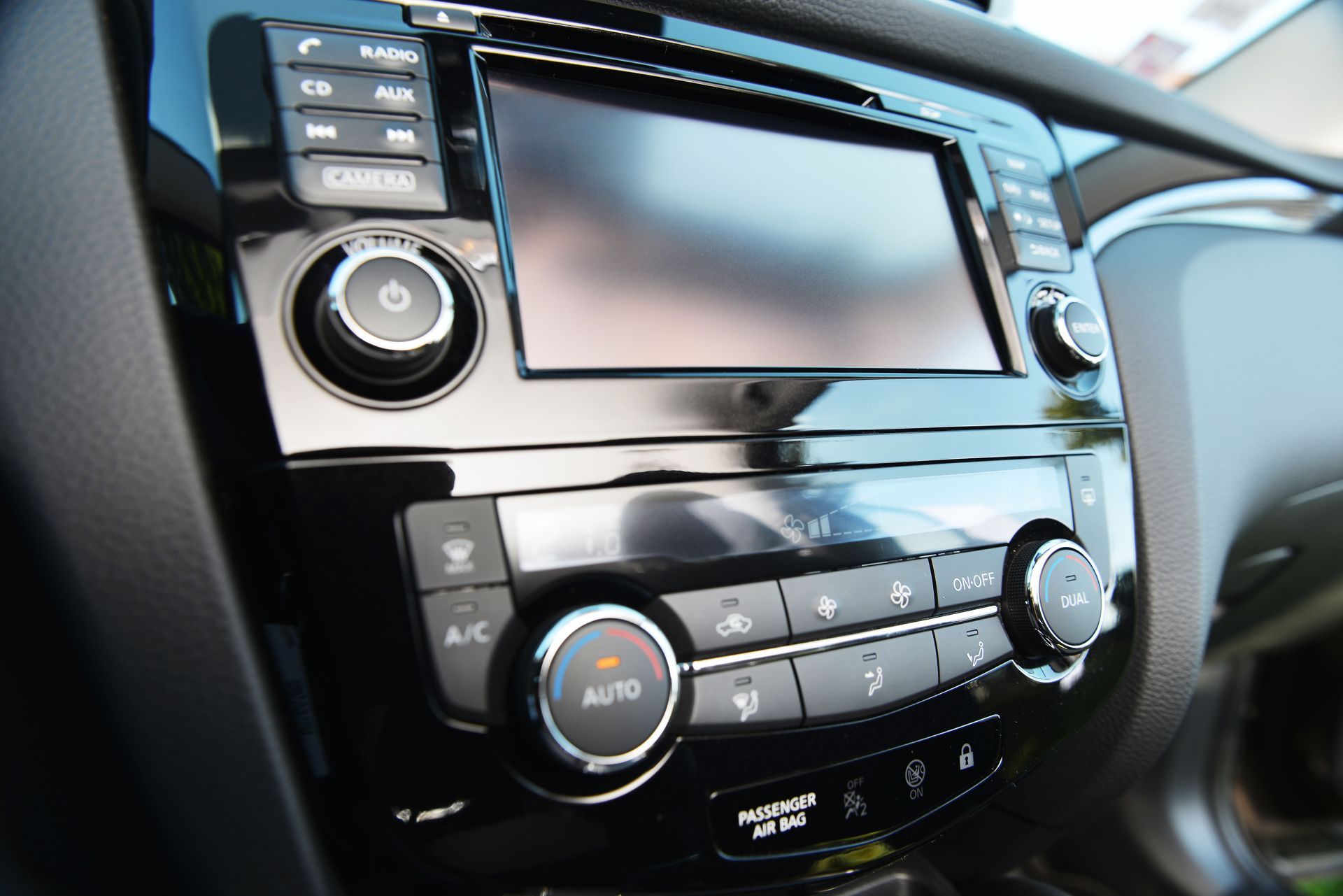
When selecting a new receiver, compatibility with your vehicle should be the first consideration. Your dashboard configuration determines whether a single-DIN or double-DIN unit will fit properly, and some vehicles require specialized installation kits. A well-matched head unit ensures seamless integration with existing electronics and improves both functionality and appearance. Modern car audio technology within head units also includes touchscreen displays, smartphone mirroring, and voice control capabilities. These features create a more connected and convenient experience, allowing drivers to manage navigation, communication, and entertainment safely.
Connected head units often include Wi-Fi, Bluetooth, and built-in GPS functionality. These systems allow you to stream music directly from online platforms or adjust settings through mobile applications. Many units support voice assistants such as Siri or Google Assistant, enabling hands-free operation while driving. Additionally, customizable user interfaces allow drivers to personalize controls, display layouts, and sound preferences. A thoughtfully selected head unit improves system responsiveness and provides a reliable foundation for future upgrades.
Speaker Performance Enhancement
Upgrading speakers is one of the most effective ways to improve overall car audio quality. Understanding speaker specifications such as sensitivity and frequency response helps determine how efficiently speakers convert power into sound. Higher sensitivity ratings produce louder output with less power, while a broad frequency range delivers more accurate reproduction of both low and high tones. Evaluating these characteristics ensures that replacement speakers align with your listening expectations and vehicle acoustics.
Component speakers and coaxial speakers represent the two primary options available. Component speakers separate the woofer and tweeter, allowing optimal placement for improved sound imaging and clarity. Coaxial speakers combine these elements into a single unit, offering easier installation and affordability. Placement and size also influence performance, as larger speakers typically enhance bass output while smaller drivers excel at midrange clarity. Proper positioning within doors or panels helps distribute sound evenly throughout the cabin, creating a balanced listening environment.
Amplifier Power Optimization
Amplifiers play a crucial role in enhancing car audio performance by strengthening signal output and reducing distortion. Selecting the correct amplifier requires matching its power rating to your speakers’ RMS handling capacity. A properly powered system produces clearer sound at higher volumes while protecting components from damage caused by underpowering or overpowering. Amplifiers also improve dynamic range, ensuring consistent audio quality across different listening levels.
Different amplifier configurations serve unique purposes within a sound system. Mono amplifiers are designed specifically for subwoofers, delivering concentrated power for deep bass reproduction. Stereo amplifiers support two-channel systems, while multi-channel amplifiers power multiple speakers simultaneously. Many modern amplifiers include adjustable gain controls and built-in filters that allow precise tuning. These features help create a refined listening experience that maintains clarity across all frequencies.
Subwoofer Bass Integration
Subwoofers provide the low-frequency foundation that completes a full car audio experience. They reproduce deep bass tones that standard speakers cannot handle effectively, adding depth and impact to music playback. Enclosed subwoofers offer convenience through preassembled designs, while component models allow customization of enclosures and power handling. Powered subwoofers integrate amplification within the unit, simplifying installation and reducing space requirements.
The choice between sealed and ported enclosures significantly affects sound characteristics. Sealed designs produce tight and accurate bass, making them ideal for listeners who prefer precision. Ported enclosures deliver louder output and enhanced efficiency, appealing to those who enjoy powerful bass-heavy music. Selecting the appropriate size also matters, as larger subwoofers generate stronger low-frequency output but require more installation space. Careful planning ensures that bass enhancement complements the overall system without overwhelming other sound elements.
Digital Signal Processing Technology
Digital signal processing has become an essential element of modern car audio upgrades. DSP technology allows precise control over frequency response, time alignment, and phase correction. These adjustments improve sound clarity and create a balanced audio environment tailored to your vehicle’s interior. By correcting acoustic inconsistencies caused by speaker placement, DSP ensures that sound reaches listeners with accurate timing and spatial detail.
Equalizers further refine system performance by allowing users to adjust specific frequency ranges. Graphic equalizers provide fixed bands for straightforward tuning, while parametric equalizers offer more detailed control over sound characteristics. Advanced processing systems often integrate with smartphone applications, enabling real-time adjustments and performance monitoring. These innovations provide extensive customization options that enhance listening quality and system efficiency.
Wireless Connectivity Solutions
Wireless connectivity continues to redefine the car audio experience by offering convenient access to entertainment and system controls. Bluetooth, Wi-Fi, and near-field communication technologies enable seamless streaming from mobile devices without physical connections. These systems support high-quality audio transmission and provide access to extensive music libraries, podcasts, and online media platforms. As demand for digital convenience grows, manufacturers continue developing more efficient wireless solutions.
Smartphone integration enhances functionality by allowing users to manage system settings, update software, and access navigation services directly through dedicated applications. Voice commands and steering wheel controls further improve safety by minimizing distractions. Advanced connectivity also supports over-the-air updates, ensuring long-term system reliability and performance improvements. These features create a highly adaptable audio environment that evolves alongside technological advancements.
Installation Planning Considerations
Proper installation plays a critical role in achieving optimal sound performance and system longevity. Professional installation ensures that wiring connections, component placement, and system calibration meet manufacturer standards. Incorrect installation may lead to signal interference, reduced efficiency, or component damage. Planning cable routing, power distribution, and mounting locations carefully helps maintain system stability and prevents future complications.
Sound damping materials can further improve performance by reducing vibrations and external noise. These materials enhance clarity by minimizing interference from road noise and structural resonance. Investing in professional calibration and acoustic treatment allows each component to perform at its highest potential while creating a more immersive listening environment.
Future Technology Trends
Emerging innovations continue to shape the future of audio technology. Artificial intelligence is being integrated into sound systems to automatically adjust audio settings based on environmental conditions and listening habits. Enhanced voice recognition capabilities provide more intuitive control, while advanced materials improve speaker durability and efficiency. These developments promise greater personalization and performance in future vehicle sound systems.
Manufacturers are also focusing on energy-efficient components that deliver high output while minimizing power consumption. As electric vehicles become more prevalent, efficient audio solutions will play a key role in maintaining battery performance. Staying informed about these trends allows drivers to make strategic upgrade decisions that remain relevant for years.
By evaluating each component carefully and understanding your listening preferences, you can build a system that delivers exceptional sound quality and reliability. From head units and speakers to amplifiers and digital processing tools, every element contributes to the overall experience. Contact our team at Covina Sound today to get connected with our auto services.

Share On: