
What Makes a Car Audio System Truly Immersive?
By Ryan Bedewyi | December 30, 2025
Car audio systems have traveled a long evolutionary path, starting from simple AM radios to sophisticated surround sound systems. As technology progresses, consumers' expectations for an immersive audio experience have grown exponentially. Today, an immersive car audio system is envisioned as one that not only fills the cabin with high-quality sound but also integrates seamlessly with other smart technologies for an enriched auditory experience.
Design and Architecture of the Car Cabin
The Acoustic Role of Car Interiors
The design of a car cabin plays a significant role in an audio system's performance. Car interiors must be crafted to minimize reflections and undesirable echoes that can deteriorate sound quality. Understanding the acoustics of various materials and their placement enhances sound clarity by attenuating acoustic anomalies. For example, using softer materials can absorb excessive reverberations, thereby producing a purer sound. Manufacturers focus on designing interiors that optimize sound pathways and create a balanced acoustic environment.
The Importance of Speaker Placement
Speaker placement is pivotal in crafting a homogeneous sound field within the car. Inaccurately positioned speakers can result in sound imbalances, where some frequencies dominate over others. Expertly calibrating the placement and direction of speakers can significantly improve perceived sound quality and immersion. Manufacturers often use advanced software and simulations to model and fine-tune speaker positions before production. Proper placement ensures that the sound reaches all occupants uniformly, rather than concentrating in specific areas.
Materials Impacting Soundproofing and Sound Quality
Vehicle materials impact both soundproofing and quality; hard surfaces tend to reflect sound, while soft materials absorb it. The choice of materials within the cabin can either enhance or degrade the listening experience. Modern vehicles use materials that dampen external noise while enhancing internal audio through effective soundproofing. This creates a quieter environment for occupants, where the audio can be appreciated without interference from road noise or other disturbances. Thus, selecting the right combination of materials is crucial for achieving a complete sonic experience.
The Influence of Vehicle Size and Shape
The size and shape of a vehicle significantly influence the spread and quality of sound. Larger vehicles generally require more speaker power and optimized sound paths to maintain audio fidelity. Conversely, smaller cars might better facilitate a homogenous sound field due to reduced internal volume. Each vehicle model poses unique challenges that engineers must address to ensure consistency in audio performance. By custom-tuning the system to fit the car's specific acoustical characteristics, a well-balanced listening experience is achievable.
Simplifying the User Interface for Better Experience
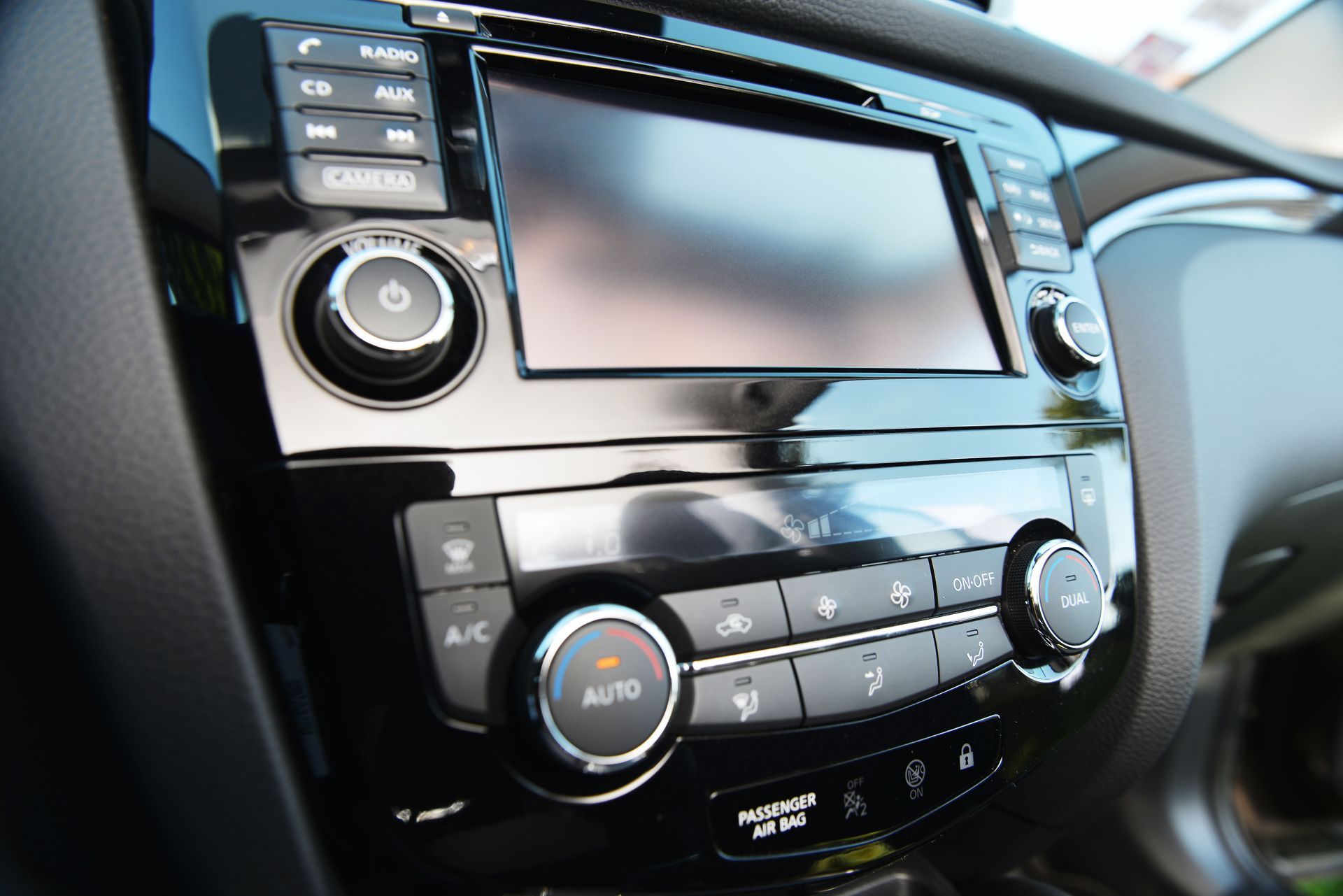
A user-friendly interface can enhance the audio experience by allowing intuitive control and customization. Complicated interfaces may distract drivers, diminishing both enjoyment and safety. Emerging systems prioritize minimalistic yet versatile design to facilitate settings adjustments with few distractions. Integrating voice controls further simplifies interaction, enabling users to manage audio settings without taking their eyes off the road. A seamless interface not only bolsters the user's experience but also complements the immersive nature of advanced audio systems.
High-Quality Audio Components
Choosing the Right Speakers for Accurate Sound Reproduction
Sourcing quality speakers is essential to precisely reproduce the intricacies of sound. The market offers a multitude of options, varying in build and capability, which must be chosen based on specific needs and vehicle dimensions. High-quality speakers are designed to handle a wide frequency range, delivering clear, dynamic audio. Consumers should focus on selecting speakers with reputable build quality for improved durability and sound performance. An accurate reproduction of sound breathes life into music, enhancing the overall immersive experience within a vehicle.
Utilizing High-Fidelity Amplifiers
Amplifiers play a vital role by boosting signals before they reach the speakers, ensuring sound doesn't distort at high volumes. A high-fidelity amplifier is crucial for maintaining audio quality across various volume levels and frequencies. Choosing an amplifier that delivers clean power ensures that all audio components perform at their best, enabling a rich sound experience. Proper pairing between speakers and amplifiers is vital to avoid audio issues such as clipping. Therefore, emphasis on quality amplifiers cannot be overstated for an immersive car audio experience.
The Importance of Subwoofers in Low Frequency Response
Subwoofers handle low-frequency sounds, adding depth and richness to the listening experience that enhances immersion. Proper integration of subwoofers into the audio system can dramatically impact the perception of the sound, making music feel more vivid and engaging. A good subwoofer ensures that bass frequencies don't get muddied or overpower other sounds. The subwoofer must be well-matched to the overall system for balanced performance. The presence of high-quality subwoofers can elevate a car audio system from good to truly immersive.
Advanced Sound Processing Technologies
Exploring 3D and Surround Sound Options
Recent advancements in 3D and surround sound technologies have brought car audio systems to new levels. These technologies create an enveloping soundstage, making it seem as though sound comes from various directions and depths. Systems that utilize surround sound can simulate concert hall acoustics or bring movies to life with realistic multidimensional sound. This advanced processing enhances audio immersion by replicating the complexity of live acoustical environments. Enthusiasts have welcomed these innovations as they bridge the gap between traditional and home audio experiences in vehicles.
Examining Noise Cancellation Systems
Noise cancellation systems work by reducing ambient sounds through digital filtering or counteracting sound waves with anti-phase signals. This technology is advantageous in maintaining high-quality audio as it helps listeners focus on music rather than road noise. Implementing noise cancellation systems in cars can be complex but offers marked improvements in the auditory environment. These systems are especially effective in reducing cabin noise during long drives. As noise cancellation technologies continue to evolve, they remain a crucial element in achieving an immersive car audio experience.
Impact of Sound Field Technologies
Sound field technologies re-create audio environments that simulate real-world sound reflections, providing listeners with a more lifelike experience. By rendering sound fields, manufacturers cater to audiophiles who desire concert-like sound reproduction. Implementations vary, with some systems using multiple microphones and speakers to capture and replicate realistic sound conditions. These innovations support an immersive experience by allowing drivers to perceive the intricacies of music with crystal-clear precision. The market is witnessing robust growth in this segment, further highlighting the increasing demand for immersive audio solutions.
The Role of Streaming and Digital Audio Enhancements
The advent of digital audio streaming has revolutionized the way we experience music in cars. High-quality streaming services provide a vast library of music at users' fingertips, often in superior audio formats. As digital enhancements continue to evolve, they further enrich the in-car experience by enabling features like personalized playlists and tailored sound settings. Automakers are keen on integrating these digital features, which have become increasingly important in the modern driving experience. According to Custom Market Insights, these advancements contribute significantly to the U.S. car audio market's projected growth, valued at USD 3.7 billion by 2032.
Adaptive Sound Features for Variable Listening Environments
Adaptive sound features automatically adjust audio settings in response to changing conditions, such as vehicle speed or cabin noise levels. This dynamic adjustment ensures an optimal listening experience at all times, seamlessly accommodating external factors. Adaptive technologies can intelligently augment and tailor audio output to suit the noise profile of the environment. These features not only improve the listening experience but also enhance safety by minimizing distractions for the driver. Such innovations exemplify the direction toward intelligent audio systems that align with smart driving technologies.
An immersive car audio system combines advanced technology, intuitive design, and premium components to deliver an unparalleled auditory experience. Each element, from speaker placement to digital enhancements, contributes to the overarching experience, supporting both auditory and emotional engagement. As the industry progresses, innovations and integrations continue to reshape perceptions and expectations, aligning them with future vehicle landscapes. The ongoing evolution of car audio systems promises unprecedented levels of immersion and personalization. As we look forward, the narrative of sound within vehicles continues to develop, reflecting broader technological advances and consumer desires. If you're interested in enhancing your car audio, make sure to contact Covina Sound today!

Share On: