
Car Stereo Installers: Which Delivers Better Sound, Factory or Aftermarket Systems?
By Ryan Bedewyi | June 26, 2026
Choosing between factory-installed audio systems and aftermarket upgrades is one of the most common decisions drivers face when improving in-car sound quality. Modern vehicles come equipped with increasingly advanced factory audio setups, yet many listeners still feel limited by clarity, bass response, and overall customization. This is where car stereo installers often become an essential part of the decision-making process, helping drivers bridge the gap between basic sound and a tailored listening experience.
The global demand for upgraded car audio continues to grow. According to LinkedIn data, the United States imports about 12 million car stereo units annually, valued at roughly US$2.5 billion. This scale reflects how significant in-car entertainment has become to drivers, as well as how often consumers turn to aftermarket solutions and professional car stereo installers to enhance their systems.
Understanding whether factory systems are enough or if aftermarket upgrades are worth it requires a closer look at performance, installation quality, and long-term value.
Are Factory Car Stereo Systems Enough for Audiophiles?
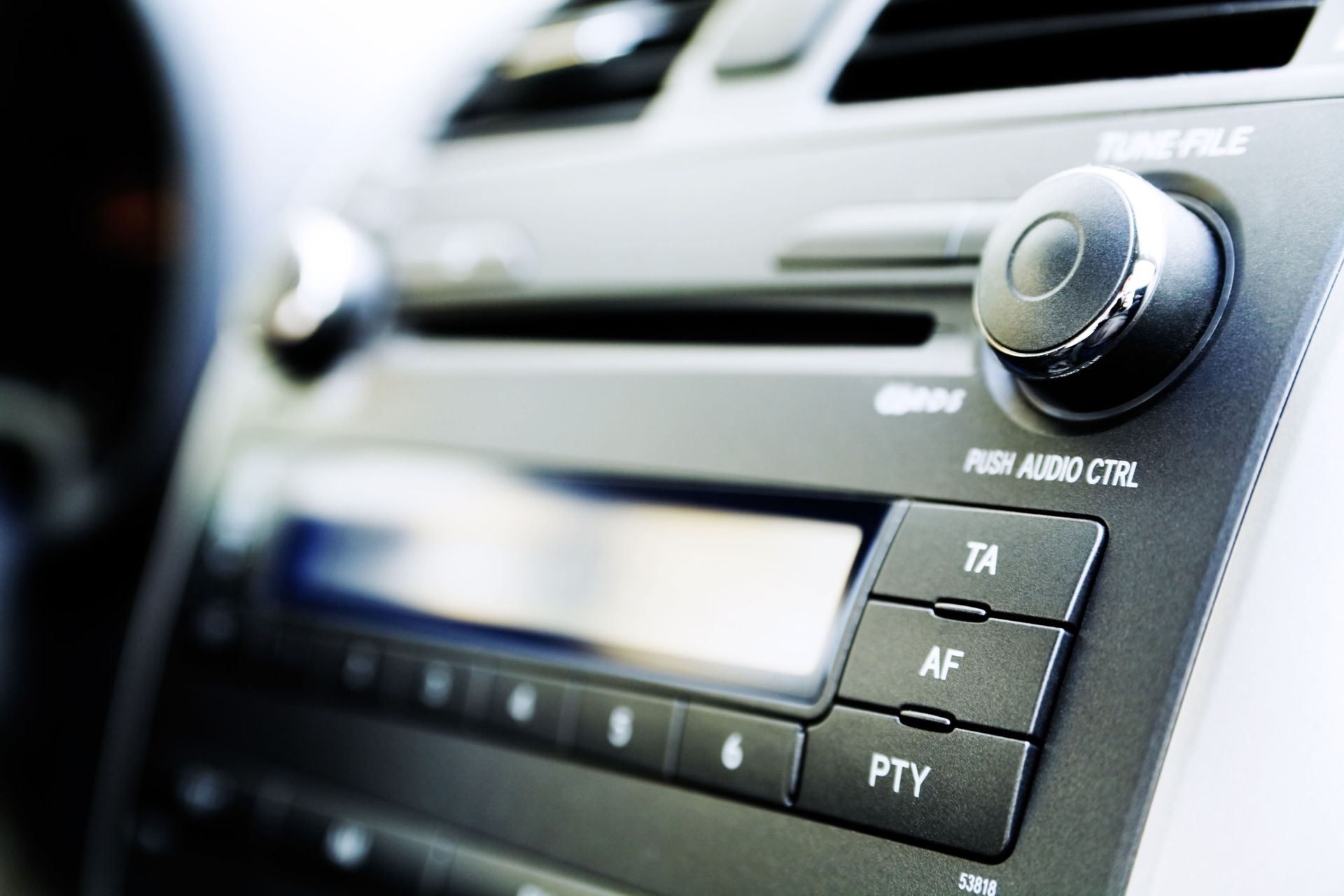
Factory audio systems have improved significantly over the past decade, especially in mid-range and luxury vehicles. Automakers now collaborate with well-known audio brands to deliver tuned sound profiles that match specific cabin designs. Despite these advancements, many drivers still find limitations in depth, dynamic range, and personalization.
Most factory systems are designed for broad consumer satisfaction rather than audiophile precision. This means sound profiles are typically balanced in a way that avoids distortion across a variety of genres but does not necessarily excel in any one area. Bass may be subdued to prevent rattling, while higher frequencies can feel compressed at higher volumes.
In this context, car stereo installers often point out that factory systems are built with cost, durability, and mass production in mind rather than individual listening preferences. As a result, while factory setups are convenient and reliable, they rarely deliver the immersive or highly customizable experience that audio enthusiasts seek.
How Do Aftermarket Systems Compare in Sound Quality?
Aftermarket audio systems are designed with flexibility and performance in mind. Unlike factory setups, they allow drivers to select components such as amplifiers, subwoofers, head units, and speakers individually. This customization leads to a significantly broader range of sound quality outcomes. It also gives drivers the ability to prioritize specific listening goals, whether that means stronger bass response, clearer vocals, or a more balanced overall mix. Because of this modular approach, aftermarket setups can be scaled gradually over time rather than requiring a full system replacement all at once.
One of the key advantages of aftermarket systems is clarity. Higher-quality components often produce cleaner separation between instruments and vocals. Bass response is also more dynamic, allowing listeners to experience deeper low-end frequencies without distortion. Additionally, aftermarket systems can be tuned to match the acoustics of a specific vehicle interior. This tuning flexibility is especially important in vehicles with irregular cabin shapes or heavy road noise, where stock equalization settings typically fall short.
Car stereo installers frequently emphasize that the biggest difference is not just in the hardware but in the tuning process. A well-installed aftermarket system can outperform even premium factory setups simply because it is calibrated to the listener’s preferences. However, poorly installed systems can easily underperform, which makes installation quality just as important as component selection. Proper calibration, including gain staging and equalizer adjustments, often determines whether the system sounds merely good or truly exceptional in real-world driving conditions.
What Role Do Car Stereo Installers Play in Optimizing Sound Output?
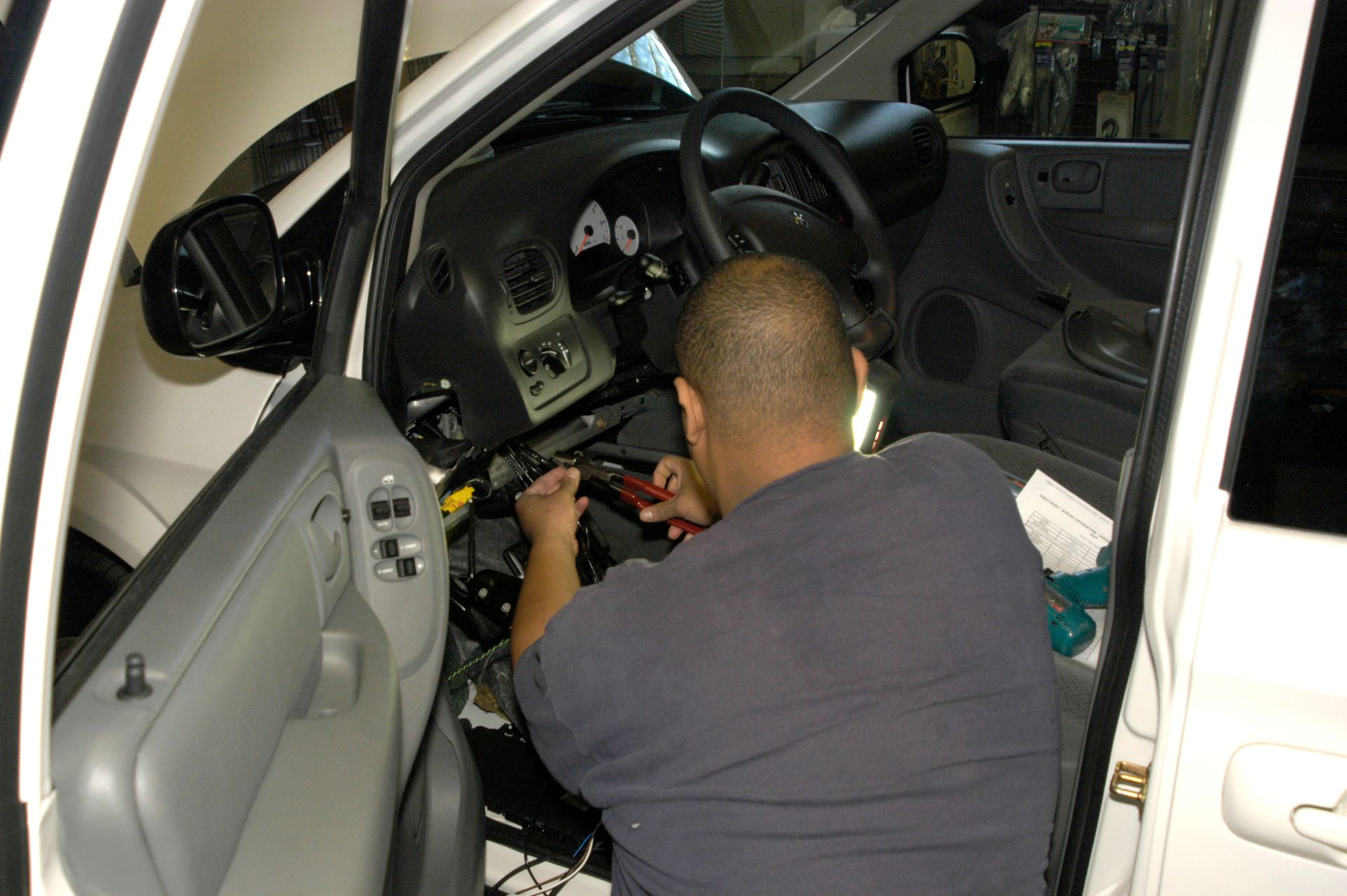
The role of car stereo installers extends far beyond simply wiring components. They are responsible for ensuring that every part of the system works together harmoniously within the vehicle’s acoustic environment.
Proper installation involves balancing power distribution, minimizing signal interference, and positioning speakers for optimal sound staging. Even high-end equipment can sound underwhelming if installed incorrectly. This is why experienced car stereo installers focus heavily on calibration and testing after installation.
In many cases, car stereo installers also help drivers choose components that match their vehicle type and listening preferences. For example, compact cars may require different speaker configurations than SUVs due to cabin size and resonance differences. Skilled installers take these factors into account to deliver consistent and high-quality audio performance.
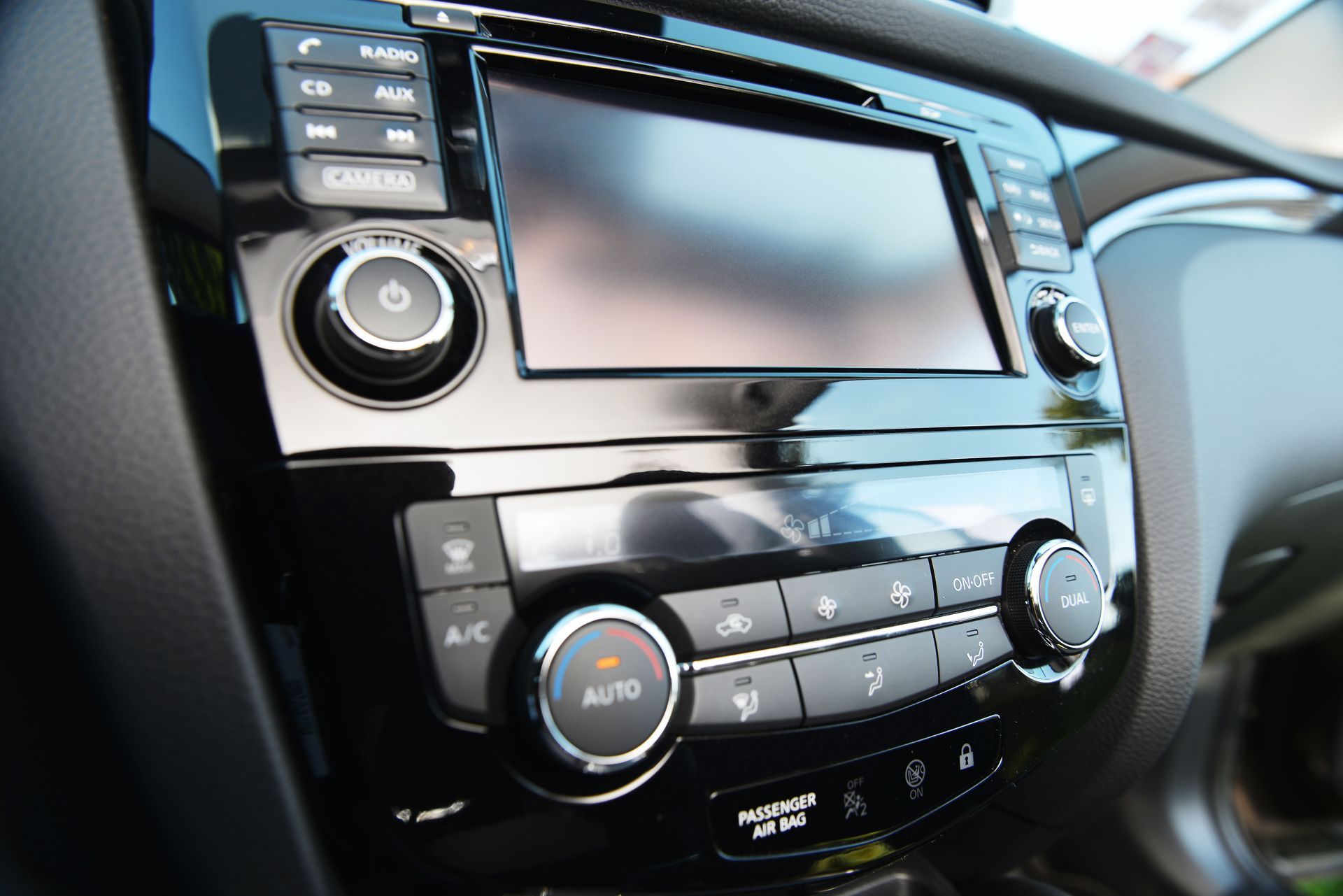
The expertise of car stereo installers becomes especially important when integrating modern features such as Bluetooth systems, digital signal processors, and smartphone connectivity. These components require precise setup to function seamlessly without lag or interference.
What Should You Consider When Hiring a Car Stereo Installer?
Selecting the right professional for the job can significantly impact the final audio experience. Not all installers offer the same level of expertise, and differences in skill can be immediately noticeable once the system is in use.
Experience is one of the most important factors. Car stereo installers with a strong background in both factory integration and aftermarket customization tend to deliver more reliable results. They understand how to work with different vehicle wiring systems and can avoid common installation issues such as grounding problems or signal noise.
Reputation also matters. Many drivers rely on reviews and word-of-mouth recommendations to identify trusted car stereo installers who consistently deliver clean, high-quality installations. A strong portfolio of past work is often a good indicator of capability.
Another key consideration is the installer’s familiarity with modern audio technology. As vehicles become more digitally integrated, installers must be comfortable working with software-based tuning tools and advanced infotainment systems. Car stereo installers who stay updated with these technologies are better positioned to deliver optimized results.
Finally, communication plays a crucial role. A good installer will take the time to understand your listening habits, vehicle type, and budget before recommending a solution.
How Does Installation Affect the Longevity of Your Car Stereo System?
Installation quality has a direct impact on how long a car audio system performs at its best. Poor wiring, improper grounding, or inadequate insulation can lead to long-term issues such as signal degradation or component failure.
Car stereo installers who follow best practices help ensure that systems remain stable over time. Proper mounting reduces vibration-related wear, while correct wiring prevents overheating and electrical strain. These details may seem minor, but they significantly extend the lifespan of both factory upgrades and aftermarket systems.
Environmental factors also play a role. Temperature fluctuations inside a vehicle can affect electronic components if they are not installed with proper ventilation or protection. Experienced car stereo installers account for these conditions during setup, helping prevent premature wear.
In addition, professional installation reduces the likelihood of future maintenance issues. Systems installed with care are easier to troubleshoot and upgrade, allowing drivers to make improvements without needing a complete overhaul.
Both factory and aftermarket audio systems offer distinct advantages depending on the driver’s expectations and budget. Factory systems provide convenience, reliability, and integration with vehicle controls, while aftermarket systems offer superior customization and performance potential.
The difference between the two often comes down to execution rather than equipment alone. Skilled
car stereo installers play a critical role in maximizing sound quality, ensuring proper integration, and extending system longevity. Without proper installation, even the most advanced components may fail to deliver their full potential.
Ultimately, choosing the right system is about understanding personal listening preferences and working with knowledgeable car stereo installers who can tailor the setup accordingly. Whether upgrading a modest factory system or building a high-end audio experience from scratch, professional installation remains the key factor in achieving balanced, high-quality sound. If you're looking for a custom car stereo, reach out to the team at Covina Sound today!


Share On: